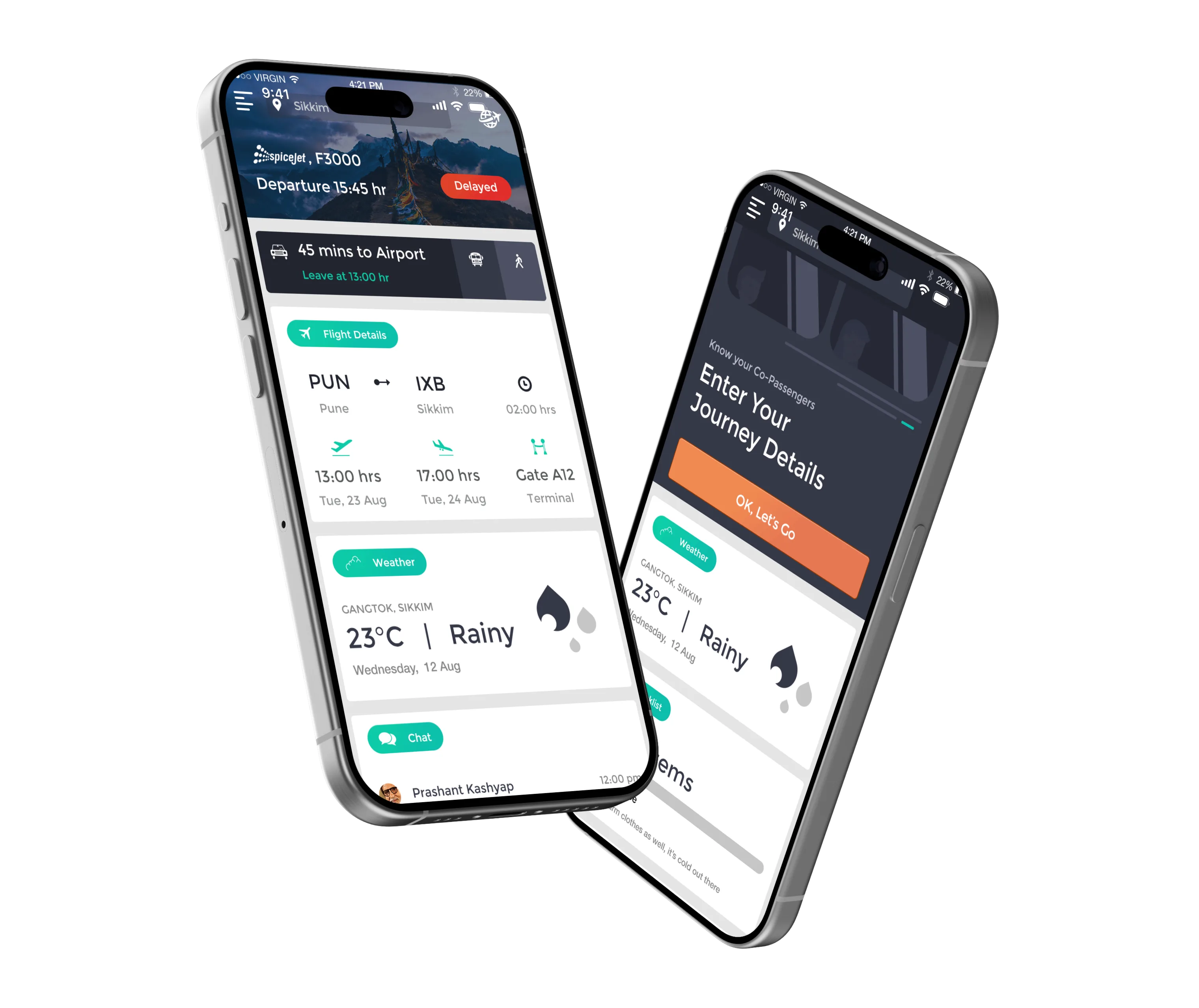
Fig. 01 · Shared context beats shared interest - discovery surfaced around the journey itself.
Context
Long-haul journeys on trains, buses, and flights generate hours of idle time in which passengers rarely interact with the people seated nearby.
Traveller was conceived as a mobile app for that specific window: a lightweight social layer that surfaced nearby co-passengers, highlighted common ground, and offered optional destination context so trips could feel more like shared experiences than dead time. Privacy safeguards, consent, and ultra-low-friction onboarding were non-negotiable constraints.
Goal
- Develop a mobile app to help co-passengers socialize during travel downtime.
- Provide essential destination guidelines and information within the app.
My role
- Translated the initial business concept into a clear problem statement.
- Conducted market and user research to shape product features and user flows.
- Provided the core design and insights for the initial product version.
Key decisions
Consent-first discovery with user-controlled visibility
The product could only succeed if passengers could discover one another, yet any perception of forced exposure would erode trust immediately. I designed discovery as opt-in from the outset, with granular controls over what each user shared - interests, route segments, destination - and when that information was visible. This balance aimed to support serendipitous connections without compromising individual comfort.
Centering the journey, not the profile
Early concepts revolved around profile cards, treating Traveller like another interest-based social network. User research showed that travelers were more comfortable initiating conversations around shared circumstances - same route, same layover, same destination - than around static personal interests. I reoriented the default view around journey context, with personal profiles appearing as a secondary layer once that shared context was established.
Impact
- Established a solid foundation for all future product enhancements.
- Impressed the client, leading to a larger budget for the project's next phase.
Takeaway
What I took forward
Traveller reinforced that in social products involving strangers, shared context is often more powerful than shared interest; people find it easier to connect around where they are and what they are experiencing than around abstract profile traits.
Tools & methods
Photoshop
Invision App
Design Thinking
Competitive Analysis
User Interviews
Persona Creation
Customer Journey Mapping
Wireframe & Hi-Fis
Prototyping
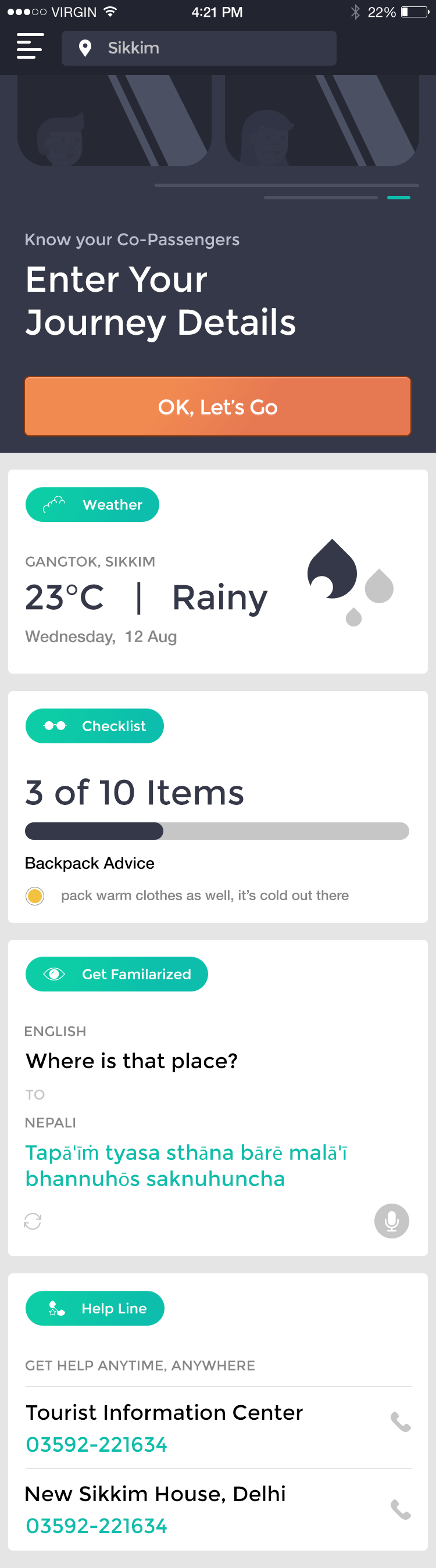
Fig. 02 · Passenger discovery based on shared journey context.

Fig. 03 · Consent-first messaging between co-passengers.