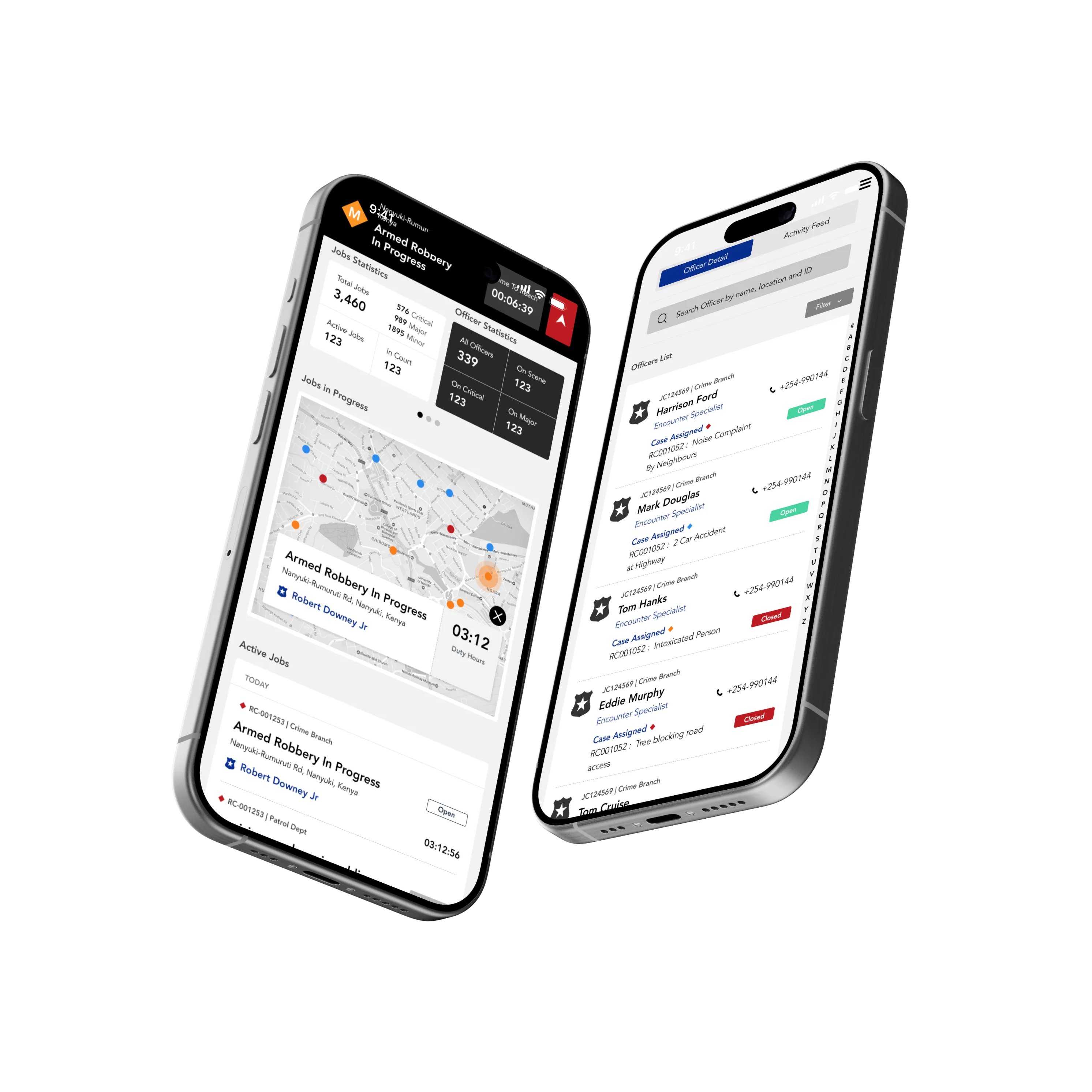
Fig. 01 · Offline-first incident filing from a field officer's mobile device.
Context
Kenya's police force, like many public-sector agencies, operated on a paper-and-radio model: incidents recorded by hand in logbooks, updates passed over voice, and status occasionally tracked in local spreadsheets.
The transformation effort aimed to equip officers with mobile tools to file, update, and escalate incidents from the field, while giving command a centralized view of what the force was doing. The app had to run on low-end Android devices, tolerate intermittent connectivity, and work for officers with limited digital experience.
Goal
- Digitalize the operations of the Kenya Police force to improve efficiency.
- Provide a centralized system for workflow automation, reporting, and management.
My role
- Created the complete design strategy by facilitating communication across departments.
- Defined a functional design solution aligned with stakeholder goals.
- Identified core problems and translated them into actionable design requirements.
Key decisions
Offline-first as a core assumption
Rather than treating connectivity loss as an exception, I assumed from the start that officers might have no signal exactly when they needed to file or update a case. Core workflows - submitting a report, editing details, escalating an incident - were designed to function fully offline, with synchronization and conflict handling occurring gracefully whenever connectivity returned. This constraint drove both the UX flows and the underlying data models.
Validating icon-heavy navigation with real users
Given the wide range of digital literacy, my initial navigation concepts leaned heavily on iconography to reduce reading load. Field testing showed that many officers still relied strongly on reading, not just visual recognition, to feel confident in what they were tapping. I responded by pairing icons with clear text labels throughout the experience, a reminder that assumptions about icon clarity rarely survive direct exposure to real-world users without adjustment.
Impact
- Significantly increased the response time of officers with timely updates.
- Made inventory organization more accessible through reporting features.
Takeaway
What I took forward
Designing for the public sector underscored that success hinges on meeting users at their actual digital-literacy baseline, not the one you hope or imagine they have; everything from navigation patterns to error handling needs to respect that floor.
Tools & methods
Photoshop
Design Thinking
Persona Creation
IA
Wireframe & Hi-Fi
Rapid Prototyping

Fig. 02 · Job detail view with offline-first data sync.
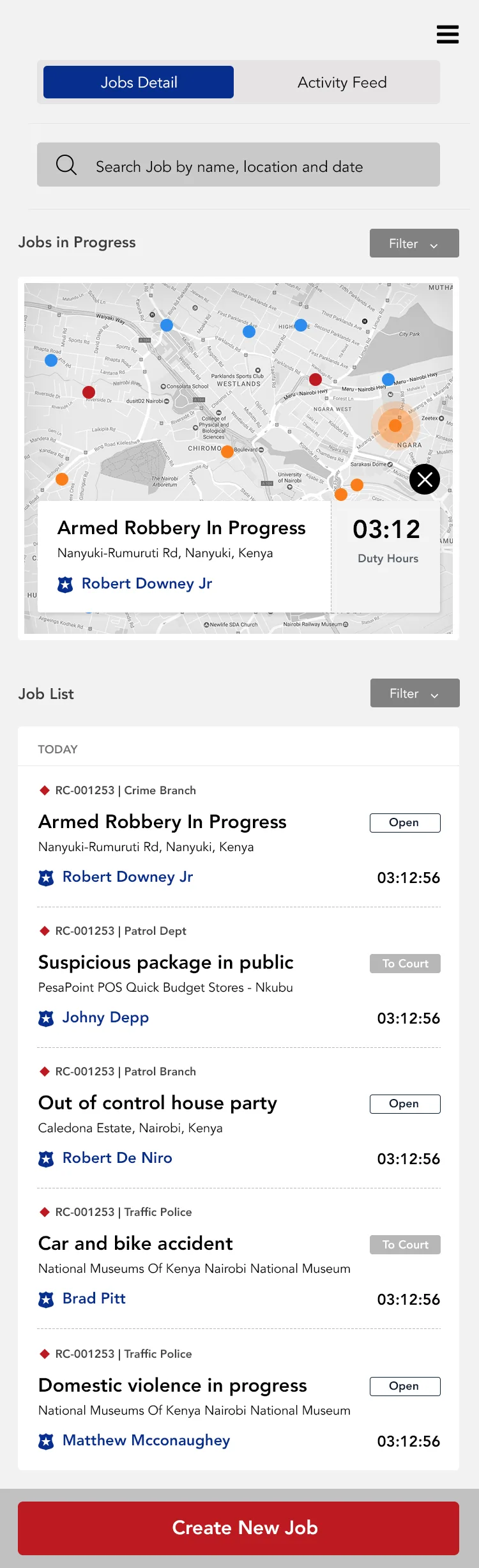
Fig. 03 · Incident filing with icon+label navigation.